
My Moral Code Came from a Shonen Anime
In 2010, a 14-year-old kid in Jabalpur sat on the terrace of his house, eyes locked on the family laptop.

In 2010, a 14-year-old kid in Jabalpur sat on the terrace of his house, eyes locked on the family laptop. On screen, a blonde boy in an orange jumpsuit was screaming at a rival who’d just betrayed him.
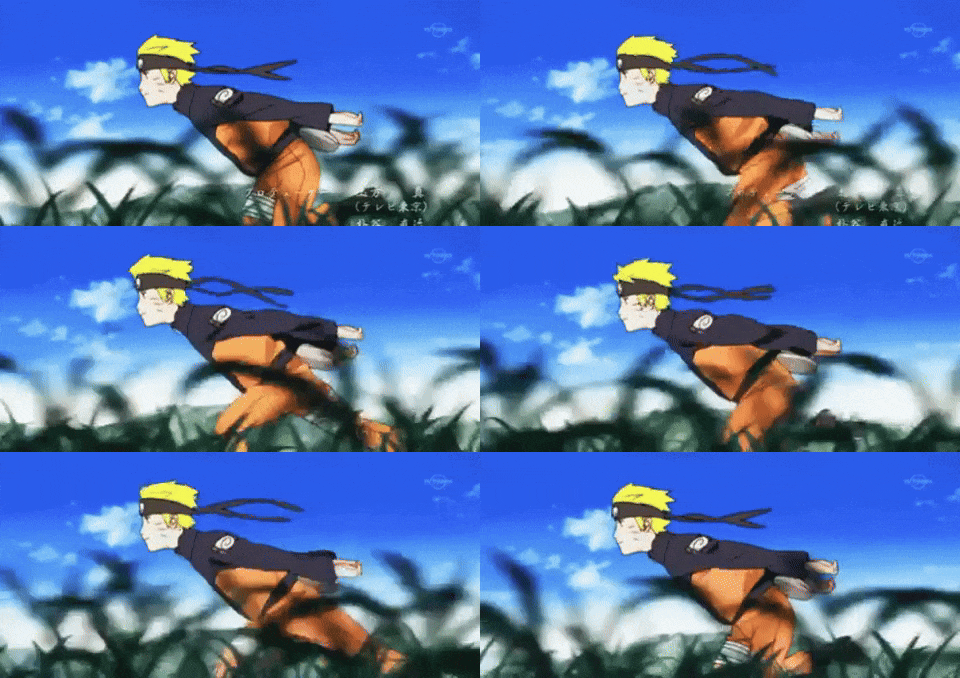
“I never go back on my word! That’s my ninja way!”
The kid didn’t know it then, but in that moment, Naruto Uzumaki wasn’t just entertaining him. He was installing a belief.
Fast forward twenty years. That kid is now a 34-year-old founder in Bangalore.
He’s in a town hall, listening as people argue over what the company should do next. Some want to move faster. Others want to play it safe. A few suggest doing what competitors are already doing.
He listens.
Then he feels a familiar heat rise in his chest.
He hears a voice…not his team’s, not his mentor’s, but a cartoon ninja’s from two decades ago.
“I never go back on my word.”
He speaks up. He pushes back.
The room goes quiet.
He doesn’t credit Naruto. Most people don’t.
But they should.
Narrative Scaffolding
Here’s a question for you: What’s one belief you hold that you can’t quite trace back to its source?
Maybe it’s your definition of loyalty. Or what you think makes a good leader. Or that gut feeling that “real founders don’t quit”, even when quitting might be the smart move.
There’s a name for how these beliefs get installed. Let’s call it Narrative Scaffolding.
It’s the quiet, cumulative process by which the stories we consume in childhood, especially serialized, character-driven ones like anime, manga, or even video games, become the hidden framework for our adult values, emotional responses, and moral intuitions.
This isn’t nostalgia. It’s identity formation through narrative.
And here’s the thing: most of us never audit this scaffolding. We just live inside it.
In India, this phenomenon runs deeper than most realize. A 2025 study found that Indian millennials and Gen Z have embraced anime to the extent that it’s become a significant cultural force, shaping not just entertainment preferences, but creative practices, career choices, and even interest in Japanese language and culture.

Stunning Cosplayers Bring Anime Universe To Life At Cosfest 2026 In Kohima
Research shows that shonen anime doesn’t just entertain, it actively shapes viewers’ ideas about loyalty, justice, sacrifice, and resilience, often more powerfully than formal education or family instruction.
Think about it: how many times have you made a decision and felt like you were channeling someone else’s voice? A mentor? A parent? Or... maybe a character from a show you watched when you were 13?
The mechanism is simple:
- Repetition + emotional resonance: Watching Naruto fail, rise, and forgive hundreds of times wires your brain to equate perseverance with virtue.
- Moral dilemmas as rehearsal: Shows like Attack on Titan or Death Note force viewers to sit with ambiguous choices training ethical muscle memory.
- Character as compass: Mentors like Jiraiya or figures like Edward Elric become internalized role models whose voices echo in real-life decisions.
Most people never name this. They just feel that “never giving up” is sacred, or that “true justice is complicated” without realizing a 13-year-old version of them learned that from a cartoon.
And in India, the connection is even stronger. A 2025 paper exploring the psychological resonance of anime among Indian viewers found that shows like Naruto, One Piece, and Dragon Ball Z mirror archetypal journeys of self-realization familiar to a predominantly Hindu socio-cultural landscape. The protagonists’ perseverance, ethical dilemmas, and journeys toward self-mastery resonate with Indian youth (especially young boys) navigating a rapidly globalizing yet tradition-bound society.
Pause for a second. What’s the one show you watched as a kid that you still think about? Not your favourite. The one that stuck. The one that changed how you saw the world.
Hold that thought.
The Belief Architects
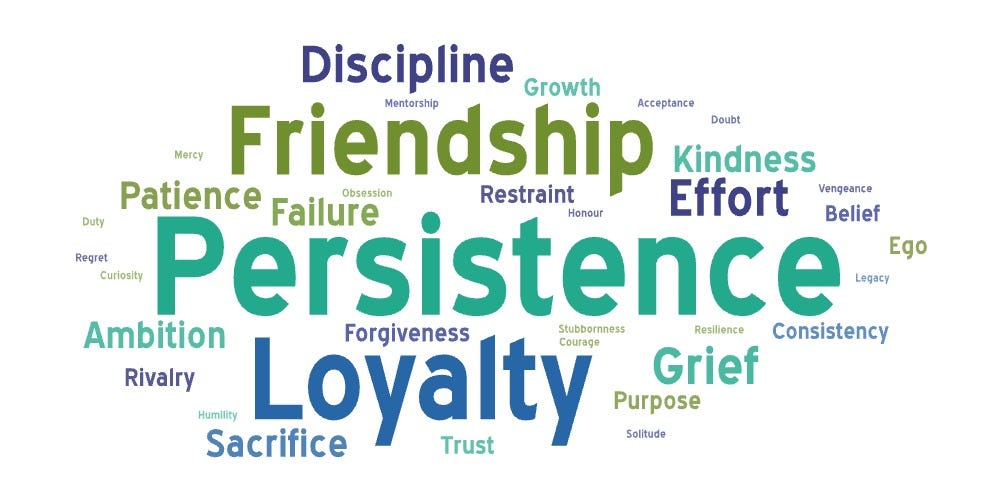
We asked a few people a simple question: What’s one anime or manga that shaped your adult values, and how?
Here’s what came back.
“Naruto taught me that being an outsider isn’t a life sentence.”
A software engineer from Hyderabad shared how seeing Naruto’s isolation and his refusal to let it define him gave him language to push through imposter syndrome in his first job at a multinational. “I was the only one from a tier-2 college in my team. Everyone else had IIT on their resume. I kept thinking, ‘If he can keep trying, so can I.’ It sounds dumb, but it worked.”
“I measure leadership by Jiraiya, not my VP.”
A startup founder in Mumbai explained how the flawed-but-wisdom-rich mentor model from Naruto became her template for managing teams. “Jiraiya was a pervert, sure. But he also trusted his students, gave them space to fail, and always showed up when it mattered. That’s the leader I try to be, especially when my board is pushing for shortcuts.”
“Fullmetal Alchemist taught me that failure isn’t always a fair exchange.”
A chartered accountant from Delhi described how the Elric brothers changed the way he understood professional setbacks. “I used to treat every failed client deal as evidence that I wasn’t good enough. But Fullmetal Alchemist made me question that logic. The brothers make mistakes, pay real consequences, and still keep moving. The world doesn’t always give you back what you put in, and that doesn’t make the effort meaningless.”
“One Piece taught me to respect the training arc.”
A graphic designer from Indore had always wanted to learn the guitar but kept quitting whenever progress felt slow. “Then I realised Luffy doesn’t become stronger overnight. Every skill comes after a long, frustrating training arc.”
He started practising for fifteen minutes a day. “I stopped asking, ‘Am I good at this?’ and started asking, ‘Did I show up today?’ That changed how I approached guitar, fitness, and work. I became comfortable being a beginner.”
“Your Lie in April taught me how to grieve.”
A 24-year-old from Shimla shared how the anime helped her process her grandmother’s death. “Watching Kousei deal with loss and music gave me permission to feel my own pain. I cried for three days straight. Then I picked up my guitar for the first time in years.”
The common thread? These aren’t just “favourite shows.” They’re moral operating systems installed before we had the language to audit them.
And it’s not just about “positive” values. A 2025 study on shonen manga (Attack on Titan, Death Note, Tokyo Revengers) found these narratives normalize difficult emotions like fear, grief, anxiety and provide coping strategies, effectively acting as informal emotional education.
The flo101 Twist
Here’s where it gets interesting.
Just as humans absorb values from stories, AI systems inherit belief-like patterns from their training data. If a model is trained mostly on competitive, individualistic, or utilitarian texts, it may “believe” those are optimal human strategies - even when they’re not.
So we’re left with a question: What if we treated AI training data like a curriculum…not just for accuracy, but for ethical diversity?
At flo101, we’re obsessed with one idea: getting better daily. And for us, that starts with seeing the scaffolding.
Not just ours. Yours.
What if AI didn’t tell you what to believe, but helped you see what you already believe, and why?
Imagine prompts like:
- “You keep saying ‘real leaders protect their team.’ Where did you learn that? Your father? Your cricket coach? Or… maybe Kakashi?”
- “You’ve described three failures as ‘not trying hard enough.’ That sounds like a shonen script. What if failure was data, not moral judgment?”
- “What if your life had a different mentor archetype? Let’s imagine a version of your career guided by your actual boss vs. Jiraiya vs. Arjuna from the Gita.”
This isn’t about AI replacing your moral compass. It’s about AI holding up a mirror so you can see the compass you already have and decide if it’s still pointing where you want to go.
In an Indian context, this becomes even more powerful. Imagine an AI that helps you trace your beliefs back to their sources:
- That one Taarak Mehta episode that stuck with you
- The 3 Idiots dialogue you quote in every meeting
- The Naruto scene you rewatched during your first breakup
All of it is scaffolding. All of it is shaping you.
The Bottom Line
People worry that AI will erase human judgment. That machines will make us less thoughtful, less moral, less us.
But maybe the real risk isn’t that AI will overwrite our values. It’s that we’ll never notice the ones already running in the background.
The ninja way. The alchemist’s law. The pirate’s code. The samurai’s honor.
They’re already there. Quietly. Patiently. Shaping your decisions, your relationships, your career.
You don’t need AI to tell you what’s right.
You just need to know which 13-year-old version of you is still in the room.
So here’s your homework:
Name the scaffolding. Question it. Upgrade it.
Then tell us: what’s the one fictional character who shaped your adult values the most?
Drop it in the comments. We’re reading.
That’s how you get better.
Daily.